

Blog

A guide for contract, hospitality, and residential projects
4 min read
“
Good design isn’t only about how a piece looks on day one—it’s about how it ages over time.
Choosing the right materials for outdoor furniture is the decision that most affects how a terrace, hotel pool deck, or residential garden holds up over time. It goes far beyond color or shape: every material behaves differently under sun, rain, humidity, or the heavy daily use typical of contract and hospitality projects. In this guide, we cover which materials to choose based on use, how fiberglass-reinforced polypropylene, UV protection, and performance textiles affect durability, and which questions to ask before deciding.
When professionals specify chairs and tables for a contract project, color and form are only part of the equation. The other—and often the most important—consideration is the material itself. It determines whether furniture will retain its appearance after years of sun, rain, humidity, and heavy daily use. That’s also the philosophy behind Garbar: creating outdoor furniture built to last, where design and material selection work together from the very first sketch.
01
Materials Are Part of the Design
Charles and Ray Eames believed that every material has its own way of expressing form. The same principle applies to outdoor furniture today: choosing the right material means understanding how it will perform in the environment where it will be used.
A restaurant terrace doesn’t face the same demands as a residential garden. A hotel pool deck experiences a very different level of wear than a private balcony. Making the right material choice from the beginning helps prevent premature replacements and minimizes maintenance throughout the product’s lifespan.
02
Glass Fiber-Reinforced Polypropylene
Among the materials best suited to contemporary outdoor environments is glass fiber-reinforced polypropylene.
This combination delivers a structure that’s lightweight yet exceptionally strong, capable of withstanding continuous use without compromising stability. It also enables the creation of clean silhouettes, slimmer profiles, and lighter pieces that are easy to move, stack, and store as spaces evolve throughout the day.
It’s no surprise that glass fiber-reinforced polypropylene has become one of the preferred materials for hotels, cafés, restaurants, urban terraces, and public spaces where furniture is constantly being rearranged.
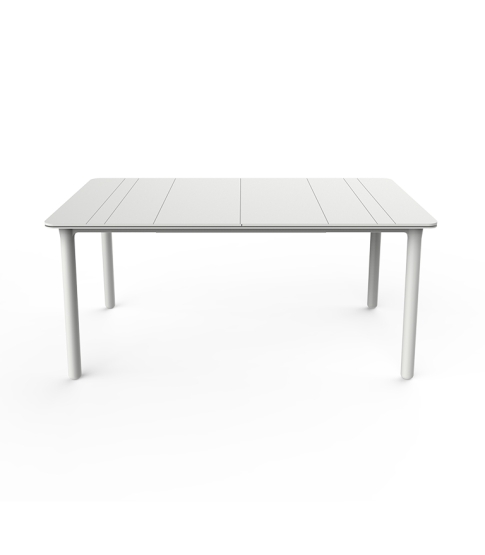
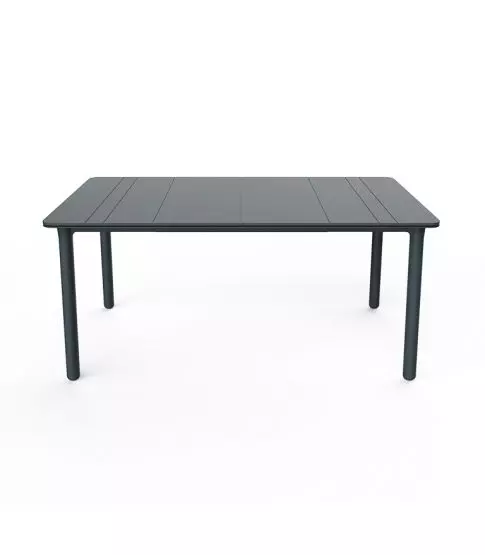
Made from glass fiber-reinforced polypropylene, like the Noa Solid Table from the 2026 Garden Barcelona collection: lightweight, stackable, and built for continuous use.
03
The Sun Shapes Design Too
Rain isn’t the greatest challenge for outdoor furniture.
The sun is. Ultraviolet radiation gradually alters materials and accelerates fading—particularly in Mediterranean climates, where furniture is exposed to intense sunlight for long periods throughout the year. That’s why choosing products with UV protection is essential. They retain both their color and their structural performance for much longer, helping furniture maintain its original appearance season after season.
04
Fabrics Matter Too
When we think about outdoor furniture, we often focus on frames and structures. But fabrics play an equally important role.
Outdoor performance textiles need to resist moisture, dry quickly, and maintain their color despite prolonged sun exposure. Recyclable, fade-resistant fabrics do exactly that, preserving their appearance season after season—even in high-traffic hospitality environments.
Beyond extending a product’s lifespan, they also reduce the need to replace cushions and upholstery, an important advantage for hotels, restaurants, and other hospitality projects where the visual quality of the space is part of the guest experience.
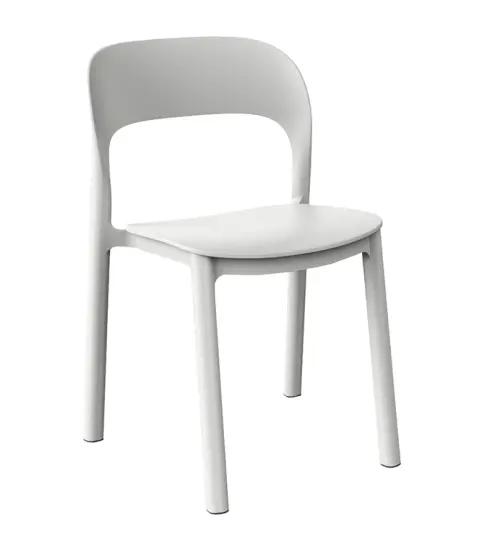
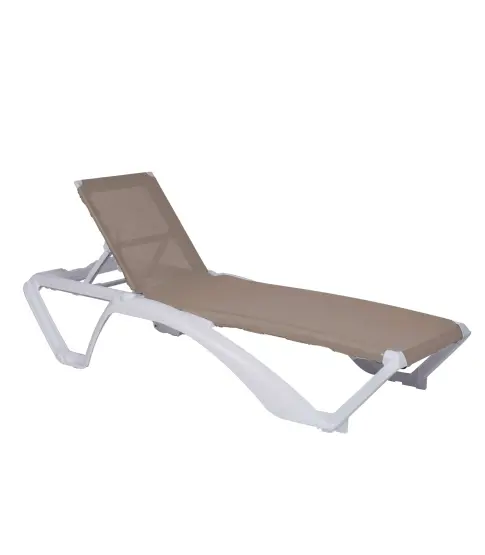
These materials, in real pieces
05
Choosing with Future Seasons in Mind
Designers such as Patricia Urquiola and Vincent Van Duysen have shown that the beauty of a space also depends on how its materials age. A piece that retains its texture, color, and stability after years of use remains true to the original design.
Before selecting a piece of outdoor furniture, it’s worth asking a few practical questions:
Before you decide, ask yourself:
- ✓Will it spend the entire day in direct sunlight?
- ✓Will it be moved frequently between indoor and outdoor spaces?
- ✓Does it need to stack for efficient storage?
- ✓Will it withstand heavy daily use by hundreds of people?
- ✓How easy will it be to clean and maintain?
Answering these questions helps define the right material long before discussing colors or finishes. Design may capture attention at first glance, but it’s the material that proves its quality over time. Its true value isn’t measured on the first day—it’s measured after thousands of uses and many seasons outdoors.